
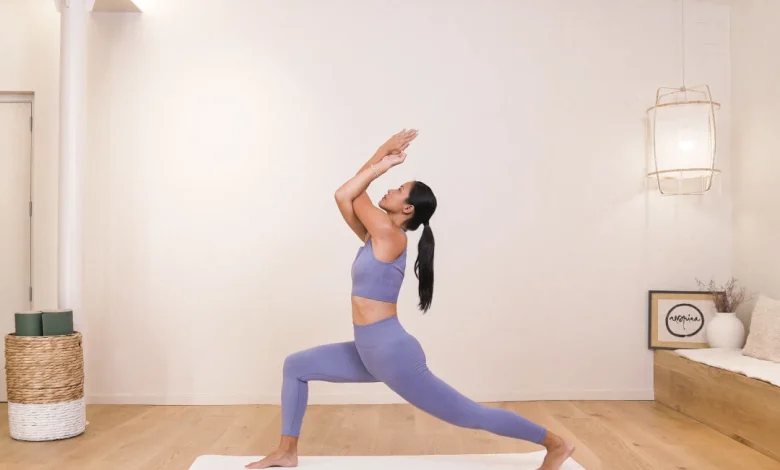
Modern urban health is no longer measured only by how often someone exercises or how fit they appear. People are beginning to understand that breath, strength and recovery all matter. This is one reason interest in yoga Singapore continues to grow among adults who want a more complete approach to wellbeing. City life places different kinds of demands on the body. Long sitting hours, digital pressure, social commitments, family responsibilities and work stress can all affect energy. A useful health routine must therefore support the whole person. Yoga does this by combining controlled breathing, functional strength and intentional recovery.
Breath as a health skill
Breathing happens automatically, but breathing well is still a skill. Many people breathe shallowly when stressed, focused or tired. They may hold the breath during emails, tense the shoulders during calls or breathe quickly without noticing. Yoga brings attention back to the breath. Students learn to coordinate breathing with movement, slow down under effort and recognise when the breath becomes strained. This awareness has value outside the studio. It can help during stressful work moments, difficult conversations and evening wind-down routines.
Why breath affects stress and energy
The breath is closely linked to the nervous system. Fast, shallow breathing can keep the body alert. Slower, steadier breathing can support calm and focus. In urban life, where many people move quickly from one task to another, this skill becomes highly practical. Breath awareness does not require complicated equipment or long time blocks. Once learned, it can be used during a commute, before a meeting or while preparing for sleep. Yoga gives people a structured way to practise it repeatedly.
Strength beyond the gym mindset
Strength is often associated with lifting weights or high-intensity training. Those can be valuable, but yoga develops a different kind of strength. It builds control, stability and endurance through bodyweight movement. Holding postures, balancing, transitioning slowly and supporting body weight require effort. This strength is functional because it improves how people move through daily life. It can support posture, joint stability and confidence in movement.
Strength qualities developed through yoga
A consistent practice can help build:
- Core stability
- Leg endurance
- Shoulder control
- Balance and coordination
- Postural awareness
- Controlled transitions
These qualities support everyday activities such as walking, standing, carrying bags and sitting with better posture.
Recovery as an essential part of health
Urban culture often praises productivity and intensity. People push through fatigue, skip rest and treat recovery as optional. Over time, this can lead to stiffness, irritability, poor sleep and reduced motivation. Yoga places recovery back into the health conversation. Slower classes, breath work and restful postures help the body shift into a calmer state. Even stronger classes often include closing rest, which teaches students that effort and recovery belong together. Recovery is not laziness. It is part of sustainable performance.
The connection between strength and recovery
Strength without recovery can become strain. Recovery without strength may leave the body underprepared for daily demands. Yoga connects both. A class may challenge the body, then guide it back into calm. This teaches balance. For urban adults, this balance is important. Many people are either inactive for long periods or intense for short bursts. Yoga offers a middle path where the body learns effort, control and release.
Mobility as the bridge
Mobility connects breath, strength and recovery. Good mobility requires range, control and relaxation. If the body is too tense, movement becomes restricted. If the body lacks strength, movement may feel unstable. Yoga improves mobility by encouraging the body to move through varied positions with awareness. Breath helps reduce unnecessary tension. Strength helps support the joints. Recovery helps the body adapt.
Why urban adults need integrated health routines
A fragmented routine may not address the full picture. Someone may do cardio but ignore mobility. Another may stretch but lack strength. Another may work hard but never recover. Integrated routines are more useful because they support multiple needs together. Yoga is valuable because it can fit alongside other health habits. It can complement gym training, walking, sports, dance, Pilates or simply daily life. It gives the body a regular opportunity to check in.
The role of professional guidance
Breath, strength and recovery are more effective when guided well. Teachers can help students pace effort, modify postures and understand alignment. This reduces the risk of pushing too hard or moving without purpose. A studio environment such as Yoga Edition can support this integrated approach by offering structured classes in a focused setting. With guidance, students can explore effort and rest safely.
Health as daily resilience
Urban health is not only about avoiding illness. It is about having enough resilience to move through work, relationships, stress and changing routines. Breath supports calm. Strength supports capability. Recovery supports longevity. Yoga brings these elements together in a way that is practical for city life. It does not demand perfection. It invites regular practice, honest awareness and steady progress. As more people understand this, breath, strength and recovery are becoming core parts of what it means to be healthy in a modern city.
