Joint Smart Indoor Cycling in Singapore: Preserving Knees, Hips and Lower Back While Training Hard

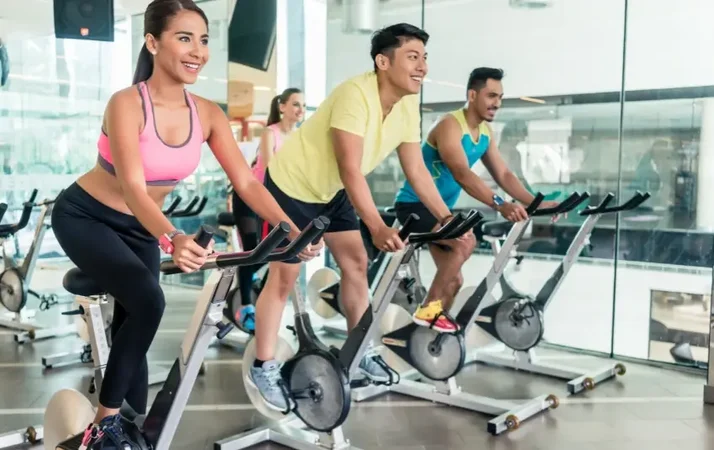
Many people in Singapore want a workout that is challenging yet safe for their joints. Long office hours, driving, school drop offs and commuting can cause stiffness in the hips and spine, while weekend activities may stress the knees. The search for a workout that burns calories, protects joints and improves mobility leads many riders to Indoor cycling. It provides the ideal combination of intensity and low impact work, but only when the ride is approached with proper technique and awareness.
Indoor cycling is often called joint friendly, but this does not mean riders can ignore posture, resistance selection and bike setup. Incorrect positioning or overly aggressive riding can still strain the body. When done correctly, however, it offers one of the safest high intensity workouts for Singapore adults trying to stay active without aggravating old aches.
A Knee Massager can be a practical addition to a relaxing home routine, especially after a long or active day. Cordless designs offer convenient use without complicated setup, while adjustable heat and vibration can create a soothing massage experience. Authentic products and dependable customer support can make online purchasing easier.
Why Joint Preservation Matters for Singapore Adults
Singapore’s work culture can be demanding. Many people spend long hours seated in front of screens, often developing muscle imbalances before they even begin exercising. The most common issues seen among office workers include:
-
Tight hip flexors
-
Weak glutes
-
Stiff lower back
-
Slouched posture
-
Knee pain when climbing stairs or squatting
These imbalances influence how someone moves on a bike. Indoor cycling helps strengthen key muscles and improve circulation, but if done with poor form, it can place stress on vulnerable joints. Understanding these patterns allows riders to use indoor cycling as a long term solution instead of a short term rush.
How Indoor Cycling Protects the Knees
When performed properly, the cycling motion helps reduce knee stress by avoiding impact. The knee bends and extends in a controlled range, supported by consistent resistance from the flywheel. This keeps the joint stable and well aligned.
The role of resistance
Using too little resistance may cause the legs to “spin out”, reducing control and allowing the knee joint to wobble. This is a common issue for new riders who fear heavy resistance. Controlled resistance ensures:
-
Smooth pedalling
-
Better joint stability
-
Proper tracking of the knee over the toes
The role of saddle height
A saddle that is too low increases pressure on the patellar tendon and makes every pedal stroke compress the knee excessively. A slightly higher saddle allows better leg extension and distributes force more evenly. Riders should aim for a soft bend at the knee when the pedal reaches the lowest point.
How technique supports the knees
-
Keep the knees pointing forward
-
Avoid leaning excessively to one side
-
Maintain a stable core
-
Increase resistance for control instead of speed
Following these cues reduces the risk of knee discomfort and improves pedalling efficiency.
How Indoor Cycling Supports Hip Health
The hips are often overlooked in cycling, yet they play a major role in stability and power. Many Singapore adults have tight hip flexors due to long hours of sitting. Indoor cycling strengthens the glutes and encourages hip extension, but it requires good alignment.
Benefits for the hips
-
Improved blood flow to the hip joints
-
Strengthening of the glutes through climbs
-
Reduced stiffness during daily activities
-
Better posture due to consistent hip engagement
What riders must pay attention to
If the handlebar is too low or the saddle is tilted incorrectly, the hip angle becomes too tight. This strains the lower back and makes hip flexors work harder than necessary. Raising the handlebars slightly and keeping the saddle level helps riders maintain a comfortable hip angle that suits Singapore’s lifestyle patterns.
Lower Back Protection Through Smart Riding
Lower back discomfort is common among indoor cycling newcomers. The spine reacts strongly to poor bike setup or excessive leaning on the handlebars. When riders maintain a neutral spine, the back remains supported throughout the session.
Common causes of lower back issues
-
Excessive rounding of the spine
-
Reaching too far for the handlebars
-
Overly high resistance leading to hunching
-
Weak core muscle engagement
Corrective strategies
-
Keep shoulders relaxed and away from the ears
-
Engage the lower belly lightly to stabilise the spine
-
Maintain a gentle flat back rather than curving downwards
-
Distribute weight evenly instead of dumping it onto the arms
These adjustments take only minutes but can transform overall comfort and safety.
Why Bike Setup Must Never Be Skipped
One of the biggest mistakes riders make is skipping proper bike setup because they assume the bike is already adjusted correctly. Small adjustments can drastically reduce joint strain.
Key bike setup points
-
Saddle height: Should allow soft knee bend at full extension
-
Saddle distance from handlebars: Knee should not track past toes
-
Handlebar height: Higher for riders with lower back issues, lower for experienced riders
-
Foot placement: Ball of the foot should sit over the pedal spindle
A staff member or instructor can assist with this during the first few classes. Once riders understand their ideal setup, it becomes easy to replicate it every session.
How Climbing Tracks Affect Joint Load
Climbing tracks simulate hills through heavier resistance. They build muscular endurance and cardiovascular strength but require precise form.
Safe climbing technique
-
Use heavier resistance to maintain control
-
Keep hips steady rather than swaying side to side
-
Stand up only when confident in balance
-
Keep the spine neutral, not rounded
Climbing should feel powerful, not painful. Singapore riders who take climbing tracks seriously often see improved leg stability during daily activities like walking or stair climbing.
How Sprint Tracks Influence Joint Comfort
Sprint tracks are fast paced and exciting. They elevate the heart rate quickly and build explosive power. However, sprinting with insufficient resistance can strain the knees and lower back.
Safe sprinting cues
-
Always maintain enough resistance to feel grounded
-
Keep hips stable to avoid bouncing
-
Increase speed only when posture is secured
-
Avoid locking knees during recovery phases
Following these cues helps riders enjoy the adrenaline rush while staying joint safe.
The Importance of Balanced Off Bike Work
Riders who want more joint stability benefit from adding targeted strength and mobility exercises to complement their indoor cycling routine.
Useful exercises for joint safety
-
Glute bridges
-
Side planks
-
Hip flexor stretches
-
Thoracic spine rotations
-
Calf stretches
-
Bodyweight squats with correct knee tracking
These exercises counter the effects of office sitting and improve overall comfort during rides.
Progress Without Overloading Joints
Indoor cycling encourages progression through additional resistance, improved cadence control and better stamina. Yet progression should be gradual. Increasing resistance too quickly or joining back to back classes without recovery can overload the joints.
Signs you are progressing safely
-
No sharp knee or back pain
-
Improved endurance without excessive fatigue
-
Ability to hold better posture for longer
-
Smooth transitions between seated and standing positions
When to slow down
-
Persistent hip tightness
-
Sensation of grinding in the knees
-
Lower back discomfort after every class
-
Significant loss of control during climbs
Listening to the body allows riders to train long term without setbacks.
The Role of a Supportive Environment
A studio environment encourages safe habits. Good instructors focus on alignment cues, resistance guidance and posture reminders. They also help riders understand when to push and when to hold back. Many Singapore riders eventually become more consistent because the supportive environment keeps them motivated. The wide range of programmes offered at True Fitness Singapore gives riders multiple pathways to build a strong and resilient body.
Real Life Scenario in Singapore
A 42 year old executive from Tampines spends most of the day seated. Knee pain appears when climbing stairs. After starting indoor cycling twice weekly with proper setup, he notices the pain decreasing within four weeks. His glutes strengthen, posture improves and he gains confidence to increase resistance gradually. This scenario mirrors the experience of many office workers who commit to joint smart riding.
Frequently Asked Questions
Can indoor cycling cause knee pain if resistance is too low?
Yes. Too little resistance causes the legs to spin uncontrollably, making the knees wobble. This increases joint strain. Using moderate resistance provides stability and reduces the risk of discomfort.
Is indoor cycling good for people with past back issues?
It can be. With proper posture, a slightly higher handlebar and core engagement, many riders with old back injuries find indoor cycling comfortable. However, it is important to consult a medical professional if pain is persistent.
How often should I adjust my bike setup?
Every session. Even a small shift in saddle height or handlebar distance can affect comfort. Riders should always take one to two minutes to check alignment before starting.
Can standing climbs worsen hip tightness?
Standing climbs can irritate tight hips if posture is not reset frequently. Riders with hip tension should alternate between seated and standing climbs and focus on post ride stretches.
Is indoor cycling suitable for older adults with joint concerns?
Yes. Indoor cycling is low impact and suitable for many older adults. It allows them to build strength and endurance without excessive pressure on the knees or back.