
Introduction: The Silent Pulse of Life
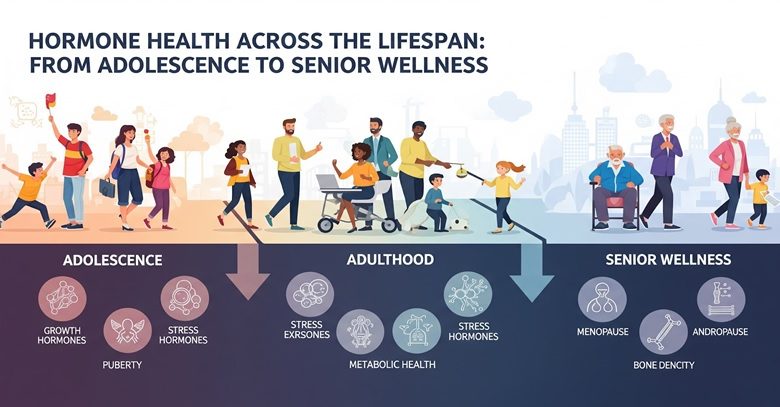
Hormones are the body’s chemical messengers, regulating key functions such as growth, metabolism, reproduction, mood, and energy. Yet, their influence often goes unnoticed until imbalances begin to affect daily life. For adolescents, hormonal shifts drive physical growth, cognitive development, and emotional regulation. In adults, subtle changes in hormone levels can impact energy, libido, weight management, and mental clarity. Seniors often face declines that affect bone density, cardiovascular health, and overall vitality. Understanding the evolving role of hormones at each life stage is crucial for fostering long-term wellness, supporting mental health, and maintaining quality of life.
Hormonal changes are more than just numbers on a lab report—they shape how people feel, move, and interact with the world. Adolescents may experience mood swings, sleep disruptions, and fluctuating energy, while adults might notice slower metabolism or increased stress sensitivity. Seniors often contend with fatigue, muscle loss, or cognitive shifts. Recognizing these changes early allows healthcare providers to intervene appropriately, promoting balance and minimizing long-term complications. Hormone health is therefore not an isolated concern; it intersects with lifestyle, mental health, and preventive care.
Addressing hormone health proactively helps individuals navigate life transitions more effectively. When managed thoughtfully, interventions—from lifestyle adjustments to clinical therapies—can improve energy, emotional resilience, and overall functioning. It is the integration of scientific knowledge, preventive medicine, and supportive care that enables people to thrive at every stage of life.
Hormones in Adolescence
Adolescence is a period of dramatic hormonal activity that influences both physical and emotional development. Testosterone in boys and estrogen in girls trigger puberty, growth spurts, and the maturation of reproductive organs. These hormonal surges also affect mood regulation, cognitive processing, and social behavior. Many teens may experience mood swings, irritability, or fluctuating energy levels, which can impact academic performance, sports participation, or peer relationships.
Parents and caregivers play a critical role in supporting adolescents through these changes. Encouraging balanced nutrition, sufficient sleep, and regular exercise can help regulate hormonal shifts and stabilize mood. Equally important is providing a safe space for emotional expression, which allows teens to develop self-awareness and coping skills. Early education about hormones helps adolescents understand the changes they are experiencing and fosters confidence in managing their health.
For some adolescents, underlying conditions such as thyroid disorders or early-onset endocrine issues may require clinical evaluation. Early recognition and intervention are key to ensuring that developmental milestones are met and that mental and emotional well-being is preserved. Hormone health in adolescence sets the foundation for lifelong wellness, making this period pivotal for proactive care.
Hormonal Support for Adults
As adults move through their twenties, thirties, and forties, hormone levels generally stabilize but continue to fluctuate due to stress, lifestyle factors, and natural aging. Testosterone in men and estrogen and progesterone in women play key roles in energy, metabolism, libido, and overall wellness. These changes can be subtle, often going unnoticed until they begin affecting daily life and overall quality of life.
According to Forever Young (https://fygulfcoast.com/), specialized hormone therapy programs—such as testosterone replacement therapy (TRT) for men and hormone replacement therapy for women—provide personalized evaluations and interventions that help restore balance and optimize function. By addressing hormonal shifts proactively, adults can sustain energy, mental clarity, emotional stability, and overall vitality, while also reducing long-term health risks associated with imbalances. When paired with healthy lifestyle habits like regular exercise, balanced nutrition, and stress management, these clinical programs enhance resilience, metabolic health, and overall well-being, supporting adults in meeting the demands of career, family, and personal growth.
Nutrition and Lifestyle as Hormone Regulators
Nutrition and lifestyle choices are powerful tools for maintaining hormonal balance at all stages of life. Diets rich in whole foods, lean proteins, healthy fats, and fiber support stable blood sugar levels and optimal endocrine function. Conversely, highly processed foods, excessive sugar, and sedentary habits can disrupt hormonal regulation and contribute to weight gain, fatigue, and mood disturbances.
Exercise is another critical factor. Regular movement enhances circulation, stimulates endorphin release, and supports metabolic health, which together contribute to balanced hormone function. Activities such as strength training, cardio, and yoga can be particularly beneficial, supporting both physical and mental health. Stress management techniques—including meditation, deep breathing, and mindfulness—mitigate cortisol spikes and promote equilibrium across endocrine pathways.
Sleep quality is equally important. Hormones such as melatonin and growth hormone are closely linked to restorative sleep. Ensuring sufficient nightly rest helps regulate appetite, energy levels, and mood, reinforcing the body’s natural hormonal rhythms. Combining nutrition, exercise, stress management, and sleep creates a foundation for optimal hormone health and overall vitality.
Preventive Care and Wellness Across Adulthood
Routine preventive care is essential for identifying early signs of hormonal imbalances and related conditions, including thyroid dysfunction, insulin resistance, and cardiovascular risk. Clinics that provide comprehensive adult care—encompassing primary care, wellness services, and routine screenings—play a key role in monitoring hormone levels and evaluating overall health. These assessments offer insights that guide lifestyle interventions, clinical treatments, and long-term health planning.
Preventive care goes beyond lab tests; it involves understanding how daily habits, stress, sleep patterns, and environmental factors influence hormonal health. Wellness checkups offer opportunities to discuss energy levels, mood, reproductive health, and other indicators of overall well-being. By taking a proactive approach, adults can maintain their vitality, prevent complications, and sustain functional independence throughout life.
Accessible care options, such as urgent care and express medical services, can complement routine checkups by providing timely evaluation when minor symptoms arise. According to Level One Urgent Care, addressing small changes in health promptly—rather than delaying care—supports overall preventive wellness and can help detect hormonal or metabolic issues early, before they escalate.
Patient experiences often highlight the benefits of proactive preventive care. Adults who monitor minor hormonal shifts early frequently report improved energy, enhanced mood, and better stress management. By combining professional evaluations with lifestyle guidance, individuals can maintain hormonal balance and reduce the risk of more significant disruptions later in life.
Hormonal Health in Seniors
With advancing age, natural declines in hormone production can affect strength, bone density, metabolism, and cognitive function. Maintaining wellness at this stage requires coordinated support from healthcare providers and caregivers. In-home care services play a vital role by assisting with medication management, daily routines, and monitoring subtle changes in energy or function. Seniors benefit from an integrated support system that addresses both physical and emotional health, allowing them to maintain independence and a high quality of life.
In-home care can also facilitate adherence to exercise, nutrition, and wellness routines that support hormonal balance. For example, caregivers can help schedule activities that promote circulation and strength while monitoring for signs of fatigue or discomfort. This proactive approach ensures that seniors receive holistic care that combines medical oversight with practical support in daily life.
Collaborative care between clinicians and in-home support fosters a sense of security and empowerment. Seniors are better equipped to manage chronic conditions, maintain social connections, and preserve autonomy, all of which contribute to healthy aging and overall well-being.
Mental Health and Hormones
Hormonal shifts can significantly affect mental health across the lifespan. Adolescents may experience mood swings, anxiety, or sleep disturbances. Adults may notice changes in focus, irritability, or emotional regulation, while seniors can encounter cognitive decline, depression, or decreased motivation. Recognizing the link between hormones and mental health allows clinicians to provide integrated care strategies that address both physiological and psychological needs.
Therapy, counseling, and support groups complement clinical hormone interventions, helping individuals manage stress, enhance resilience, and build coping strategies. Mental health monitoring is especially important during periods of hormonal transition, such as menopause, andropause, or late adulthood. Early intervention can prevent more severe emotional challenges, enhance quality of life, and reinforce physical wellness.
Holistic care that connects mental health and hormone management empowers individuals to thrive. By combining therapy, medical evaluation, and lifestyle adjustments, people can maintain emotional stability and cognitive clarity, enhancing overall wellness throughout life.
Supporting Hormone Health Through Coordinated Care
Coordinated care ensures that hormonal health is managed alongside other medical conditions. Healthcare providers collaborate with primary care physicians, specialists, and caregivers to create comprehensive care plans tailored to individual needs. This approach allows for continuous monitoring, medication adjustments, and lifestyle guidance that adapts to changes in hormone levels.
Seniors benefit from in-home caregivers, such as those provided by Alpenglow Homecare in Montana, who assist with daily routines, provide monitoring, and help manage medications. By reinforcing medical guidance in the home environment, caregivers ensure that seniors maintain consistency in their hormone-related therapies and overall wellness. Middle-aged adults may rely on preventive care and periodic therapy check-ins to sustain hormonal balance, while adolescents receive guidance and support from clinicians, caregivers, and family members, forming a network that addresses both physical and emotional needs.
By viewing hormone health as part of a broader ecosystem of wellness, individuals receive care that is proactive, integrated, and responsive to changing needs. Collaboration with in-home caregivers enhances compliance, reduces risks, and supports independence across the lifespan, ensuring that hormone health is maintained within the context of everyday life.
Lifestyle Integration and Personalized Wellness
Personalized wellness strategies are essential for hormone health. Tailoring exercise, nutrition, stress management, and sleep habits to individual needs supports endocrine balance from adolescence through senior years. Preventive care, routine monitoring, and mental health support work together to provide comprehensive guidance.
Individuals benefit most when lifestyle integration is paired with professional oversight. Regular check-ins with clinicians, therapists, and wellness coaches enable timely adjustments and promote sustainable habits. Personalized interventions ensure that physical, emotional, and cognitive health are addressed simultaneously, reinforcing the body’s natural rhythms and supporting long-term vitality.
Conclusion: Lifelong Balance and Vitality
Hormone health shapes every stage of life, influencing energy, mood, cognitive function, and physical vitality. By approaching hormonal care holistically—combining lifestyle, clinical support, and in-home or caregiver assistance—individuals can navigate adolescence, adulthood, and senior years with confidence and resilience. Healthcare providers, therapists, and caregivers play complementary roles, ensuring that hormone balance supports physical, emotional, and cognitive well-being. Lifelong attention to endocrine health fosters independence, vitality, and overall quality of life, demonstrating that wellness is truly a continuous, integrated journey.


