
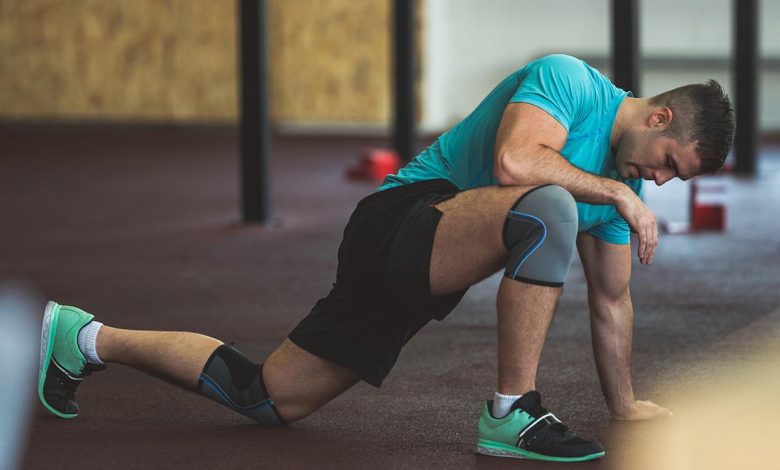
Athletic performance depends on more than strength, speed, and endurance. Mobility plays a critical role in how efficiently the body moves, generates force, and recovers from physical stress. Athletes with good mobility often move more smoothly, produce power more effectively, and reduce their risk of injury compared to those with stiff or restricted joints.
Mobility is frequently misunderstood as simple flexibility, but the two are not the same. Flexibility refers to a muscle’s ability to lengthen, while mobility involves controlled movement through a full range of motion. True athletic mobility combines flexibility, joint stability, coordination, and muscular control.
Whether an athlete competes in football, basketball, running, martial arts, weightlifting, or general fitness, improving mobility can enhance performance in meaningful ways. Better mobility supports cleaner movement patterns, stronger positions, improved balance, and more efficient force production.
Why Mobility Matters for Athletes
Athletic movement requires the body to move through complex ranges of motion under speed, load, and fatigue. Restricted mobility can interfere with movement quality and increase stress on muscles and joints.
Good mobility helps athletes:
- Improve movement efficiency
- Generate more power
- Enhance coordination
- Reduce injury risk
- Improve posture and mechanics
- Recover more effectively
For example, limited ankle mobility can negatively affect sprinting, jumping, and squatting mechanics. Restricted thoracic spine mobility may impair overhead movement and rotational power.
Mobility influences nearly every aspect of athletic performance.
Mobility Versus Stretching
Many athletes rely solely on static stretching, but mobility training involves much more than holding stretches.
Mobility work focuses on:
- Joint control
- Active range of motion
- Neuromuscular coordination
- Stability within movement
Static stretching may improve passive flexibility temporarily, but mobility training develops usable movement capacity that transfers into sports performance.
Effective mobility routines often combine:
- Dynamic movement
- Controlled stretching
- Strength through range
- Joint activation
Hip Mobility Exercises
The hips are central to athletic movement. Running, jumping, cutting, and lifting all rely heavily on hip function.
Limited hip mobility can reduce power output and increase stress on the knees and lower back.
90/90 Hip Rotations
This exercise improves internal and external hip rotation.
Benefits include:
- Better rotational mobility
- Improved hip control
- Enhanced lower-body mechanics
To perform:
- Sit on the floor with both knees bent at 90 degrees.
- Rotate the hips from side to side while keeping the chest upright.
- Move slowly and under control.
World’s Greatest Stretch
This dynamic exercise targets:
- Hip flexors
- Hamstrings
- Thoracic spine
- Groin muscles
It works well as part of a warm-up before training or competition.
Deep Squat Hold
Holding a deep squat position helps improve:
- Hip mobility
- Ankle mobility
- Lower-body stability
Athletes should focus on maintaining an upright torso and controlled breathing.
Ankle Mobility Exercises
Ankle mobility directly affects balance, agility, sprint mechanics, and squat depth.
Restricted ankles may contribute to:
- Knee pain
- Poor landing mechanics
- Reduced acceleration
- Compensatory movement patterns
Knee Over Toe Ankle Mobilization
This exercise improves ankle dorsiflexion.
To perform:
- Place one foot near a wall.
- Drive the knee forward toward the wall without lifting the heel.
- Gradually increase the range of motion.
Improved dorsiflexion supports better athletic positioning.
Calf Stretch Variations
Tight calves often limit ankle mobility.
Useful variations include:
- Straight-leg calf stretch
- Bent-knee calf stretch
- Dynamic calf pulses
Consistency is important for lasting improvement.
Ankle Circles
Controlled ankle circles help improve joint awareness and movement quality.
Athletes can perform them during warm-ups or recovery sessions.
Thoracic Spine Mobility Exercises
The thoracic spine plays an important role in posture, rotation, and overhead movement.
Poor thoracic mobility can affect:
- Throwing mechanics
- Shoulder health
- Rotational sports performance
- Breathing mechanics
Open Book Rotations
This exercise improves rotational mobility through the upper spine.
Benefits include:
- Improved posture
- Better rotational movement
- Reduced upper-back stiffness
Cat-Cow Movement
This dynamic movement promotes spinal mobility and body awareness.
It also works well as part of a recovery routine.
Thread the Needle Stretch
This movement targets thoracic rotation and shoulder mobility simultaneously.
It can help athletes improve rotational mechanics in sports requiring twisting or overhead movement.
Shoulder Mobility Exercises
Healthy shoulders require a balance of mobility and stability.
Athletes with restricted shoulder movement may struggle with:
- Overhead pressing
- Throwing
- Swimming
- Racquet sports
Shoulder CARs
Controlled articular rotations improve shoulder joint control and range of motion.
Athletes should move slowly and avoid compensating with the lower back.
Wall Slides
Wall slides strengthen postural muscles while improving overhead movement.
Benefits include:
- Better shoulder mechanics
- Improved scapular movement
- Enhanced posture
Band Dislocations
Using a resistance band for controlled shoulder dislocations can improve flexibility and shoulder mobility.
This exercise should be performed gently without forcing range.
Dynamic Mobility Before Training
Dynamic mobility routines prepare the body for movement more effectively than static stretching alone before exercise.
Pre-workout mobility may improve:
- Muscle activation
- Joint lubrication
- Movement readiness
- Nervous system preparation
Examples include:
- Leg swings
- Arm circles
- Walking lunges
- High knees
- Hip openers
Dynamic mobility is especially valuable before explosive activities.
Mobility and Injury Prevention
Athletes with movement restrictions may place excessive stress on certain joints and tissues.
Poor mobility can contribute to:
- Muscle strains
- Tendon irritation
- Joint compensation
- Overuse injuries
Improving mobility helps distribute force more efficiently across the body.
However, mobility alone does not prevent injuries completely. Strength, recovery, technique, and workload management also matter.
Strength Through Full Range of Motion
One of the most effective ways to improve mobility is strengthening muscles through full ranges of motion.
Examples include:
- Deep goblet squats
- Romanian deadlifts
- Split squats
- Overhead carries
Strength and mobility work together. Mobility without control may increase instability, while strength without mobility can limit movement quality.
Athletes perform best when both qualities develop simultaneously.
Mobility for Runners
Runners benefit greatly from improved mobility because repetitive movement patterns can create stiffness over time.
Important areas for runners include:
- Hips
- Ankles
- Calves
- Thoracic spine
Mobility work may help improve:
- Stride efficiency
- Running mechanics
- Joint loading
- Recovery
Short daily mobility sessions can help runners maintain movement quality and reduce excessive tightness.
Mobility for Strength Athletes
Weightlifters and power athletes require mobility to achieve safe and efficient lifting positions.
Limited mobility may reduce:
- Squat depth
- Overhead stability
- Pulling mechanics
- Power transfer
Strength athletes often focus on:
- Hip mobility
- Shoulder mobility
- Ankle mobility
- Thoracic extension
Mobility training can improve lifting mechanics while reducing unnecessary joint stress.
Recovery and Mobility
Mobility sessions can also support recovery by increasing circulation and reducing stiffness after intense training.
Low-intensity mobility work may help:
- Improve blood flow
- Reduce muscular tightness
- Restore movement quality
- Promote relaxation
Recovery-focused mobility sessions should feel restorative rather than exhausting.
Common Mobility Mistakes
Forcing Range of Motion
Aggressively pushing into painful positions may increase injury risk.
Mobility should improve gradually and under control.
Ignoring Stability
Excessive flexibility without muscular control may create instability.
Mobility training should include strength and coordination.
Inconsistency
Mobility improvements require regular practice.
Occasional stretching sessions rarely create lasting changes.
Neglecting Breathing
Breathing affects muscle tension and movement quality.
Slow, controlled breathing often improves mobility outcomes.
How Often Athletes Should Train Mobility
Most athletes benefit from mobility work several times weekly.
Short daily sessions can be highly effective.
A balanced mobility routine may include:
- Dynamic warm-up mobility before training
- Recovery mobility after workouts
- Dedicated mobility sessions one to three times weekly
Even 10 to 15 minutes consistently can produce noticeable improvements over time.
Mobility and Athletic Longevity
Mobility becomes increasingly important as athletes age.
Maintaining joint function and movement quality supports:
- Long-term performance
- Reduced injury risk
- Better recovery
- Continued participation in sports
Athletes who prioritize mobility often move more efficiently and experience fewer movement restrictions over time.
Mobility training is not only about improving current performance. It also helps preserve physical function for the future.
FAQs
What is the difference between mobility and flexibility?
Flexibility refers to muscle length, while mobility involves controlled movement through a joint’s full range of motion.
Can mobility exercises improve strength performance?
Yes. Better mobility can improve lifting mechanics, force production, and movement efficiency during strength exercises.
How long does it take to improve mobility?
Mobility improvements vary by individual, but consistent training over several weeks often produces noticeable changes.
Should mobility exercises be done before or after workouts?
Dynamic mobility works well before workouts, while slower recovery-focused mobility can be useful after training.
Can too much mobility training be harmful?
Excessive mobility work without stability and strength may increase joint instability in some individuals.
Do athletes need mobility training even if they feel flexible?
Yes. Flexibility alone does not guarantee proper joint control or functional movement quality.
Are mobility exercises important for non-athletes?
Absolutely. Mobility supports posture, joint health, movement efficiency, and overall physical function for people of all activity levels.


