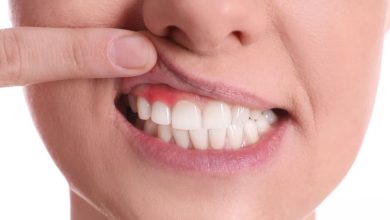
Missing teeth affect more than appearance. They can change the way a person eats, speaks, and maintains oral health over time. Modern dentistry offers several solutions for tooth replacement, but dental implants and dental bridges remain the two most common long-term options.
Both treatments restore function and improve appearance, yet they work in very different ways. Choosing between them requires understanding how each option affects durability, maintenance, comfort, cost, and oral health over the years.
For many patients, the decision is not simply about replacing a tooth. It is about selecting the option that delivers the best long-term outcome for their lifestyle, budget, and dental condition.Understanding Dental Implants
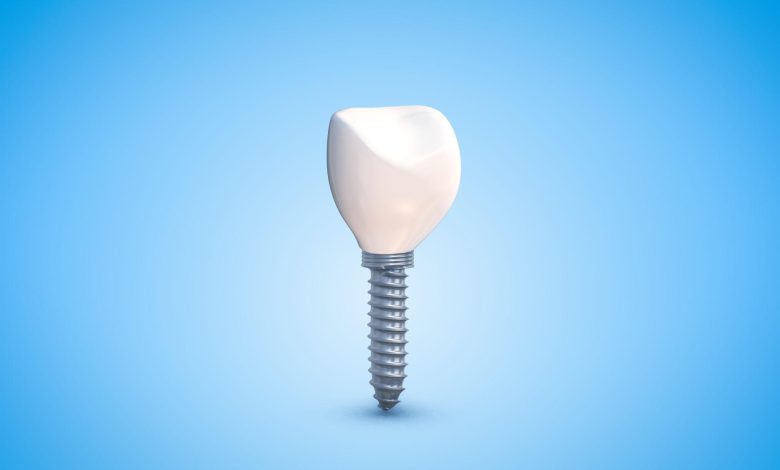
A dental implant is an artificial tooth root typically made from titanium. The implant is surgically placed into the jawbone, where it fuses with the bone through a process called osseointegration.
Once healing is complete, a crown is attached to the implant, creating a replacement tooth that closely resembles a natural tooth in both appearance and function.
A standard dental implant usually includes:
- Implant post
- Abutment
- Dental crown
Implants can replace:
- A single missing tooth
- Multiple teeth
- Full dental arches
Because implants integrate with the jawbone, they provide excellent stability and long-term durability.
Understanding Dental Bridges
A dental bridge fills the gap left by one or more missing teeth by anchoring an artificial tooth between neighboring natural teeth.
Traditional bridges rely on adjacent teeth for support. These supporting teeth are typically reshaped and covered with crowns to hold the bridge securely in place.
A dental bridge generally consists of:
- One or more artificial teeth
- Supporting crowns on neighboring teeth
Bridges restore chewing ability and appearance without surgery, making them a common solution for many patients.
Longevity and Durability
One of the most important differences between implants and bridges is long-term lifespan.
Dental Implants
Dental implants are designed to last many years and often remain functional for decades when properly maintained.
The implant itself can potentially last a lifetime because it becomes integrated into the jawbone. However, the crown attached to the implant may eventually require replacement due to normal wear.
Factors influencing implant longevity include:
- Oral hygiene
- Smoking habits
- Bone quality
- Gum health
- Regular dental care
Implants have very high long-term success rates when maintained properly.
Dental Bridges
Dental bridges generally have a shorter lifespan compared to implants.
Most bridges last:
- 10 to 15 years on average
Some bridges last longer with excellent care, but supporting teeth may weaken over time due to added stress.
Bridges are more vulnerable to:
- Tooth decay around supporting crowns
- Structural wear
- Gum recession
- Damage to adjacent teeth
Long-term maintenance often becomes more extensive as bridges age.
Impact on Natural Teeth
One major advantage of implants is that they do not rely on neighboring teeth for support.
Dental Implants Preserve Adjacent Teeth
With implants:
- Nearby teeth remain untouched
- No enamel removal is necessary
- Bite pressure distributes more naturally
This helps preserve surrounding tooth structure long-term.
Bridges Require Tooth Alteration
Traditional bridges usually require healthy adjacent teeth to be reshaped for crown placement.
This process permanently removes enamel from otherwise healthy teeth.
Over time, supporting teeth may experience:
- Increased stress
- Decay risk
- Fractures
- Root canal complications
For patients with strong, healthy neighboring teeth, preserving natural tooth structure is often an important consideration.
Jawbone Preservation
Bone loss is a major issue after tooth loss.
When a tooth root is missing, the jawbone no longer receives stimulation from chewing forces. Over time, the bone can shrink and weaken.
Implants Help Prevent Bone Loss
Dental implants stimulate the jawbone similarly to natural tooth roots.
Benefits include:
- Bone preservation
- Better facial structure support
- Reduced risk of jaw shrinkage
This becomes especially important for long-term oral health and facial appearance.
Bridges Do Not Prevent Bone Loss
Bridges sit above the gumline and do not stimulate the jawbone beneath the missing tooth area.
As a result:
- Bone resorption may continue
- Gum tissue may recede over time
- Facial structure changes may occur gradually
For long-term bone health, implants generally provide a superior solution.
Appearance and Comfort
Both implants and bridges can create natural-looking smiles when properly designed.
Dental Implants Feel More Natural
Because implants are anchored directly into the jawbone, they often feel closest to natural teeth.
Patients commonly report:
- Improved stability
- Better chewing confidence
- More natural bite sensation
- Greater comfort
Implants do not shift or depend on neighboring teeth.
Bridges Also Offer Aesthetic Results
Modern bridges can look highly realistic.
However, some patients notice:
- Slight movement
- Food trapping beneath the bridge
- Pressure on supporting teeth
While bridges restore appearance effectively, implants usually provide a more natural long-term feel.
Cleaning and Maintenance
Oral hygiene plays a major role in the success of both treatment options.
Implant Maintenance
Dental implants require:
- Daily brushing
- Flossing
- Regular dental cleanings
Cleaning implants is similar to caring for natural teeth.
Patients must still monitor for:
- Gum inflammation
- Peri-implant disease
- Plaque buildup
Good hygiene significantly improves implant longevity.
Bridge Maintenance
Bridges often require more specialized cleaning.
Food and plaque can accumulate beneath the bridge, making flossing more challenging.
Special tools may be needed, including:
- Floss threaders
- Water flossers
- Interdental brushes
Failure to clean properly can increase the risk of decay and gum disease around supporting teeth.
Procedure and Recovery Time
Treatment timelines differ significantly between implants and bridges.
Dental Implant Timeline
Implants typically involve multiple stages:
- Consultation and imaging
- Implant surgery
- Healing period
- Crown placement
The entire process may take several months because the implant must fuse with the jawbone before final restoration.
Some patients may also require:
- Bone grafting
- Sinus lifts
- Additional procedures
Bridge Timeline
Bridges generally require fewer appointments and faster completion.
A bridge may often be completed within:
- A few weeks
Because bridges do not require surgery, recovery is usually easier and faster.
For patients seeking quicker tooth replacement, bridges may appear more convenient initially.
Cost Considerations
Cost is often one of the biggest deciding factors.
Dental Implants
Implants usually involve higher upfront expenses due to:
- Surgical placement
- Advanced materials
- Imaging
- Laboratory work
Additional procedures like bone grafts may further increase costs.
However, implants may offer better long-term value because they often require fewer replacements over time.
Dental Bridges
Bridges usually cost less initially.
For patients with limited budgets or insurance restrictions, bridges may provide a more affordable immediate solution.
However, replacement costs over time can accumulate if bridges fail or supporting teeth develop complications.
Suitability for Different Patients
Not every patient is automatically a candidate for implants.
Ideal Candidates for Dental Implants
Patients typically need:
- Healthy gums
- Adequate bone density
- Good overall health
- Commitment to oral hygiene
Smoking, uncontrolled diabetes, and severe bone loss may complicate implant success.
Ideal Candidates for Bridges
Bridges may work well for patients who:
- Want faster treatment
- Cannot undergo surgery
- Have insufficient bone for implants
- Prefer lower initial costs
A dentist must evaluate each patient’s oral condition carefully before recommending treatment.
Potential Risks and Complications
Every dental procedure carries potential risks.
Implant Risks
Possible implant complications include:
- Infection
- Implant failure
- Nerve irritation
- Bone integration problems
Fortunately, serious complications are relatively uncommon when procedures are performed correctly.
Bridge Risks
Potential bridge complications include:
- Tooth decay under crowns
- Gum disease
- Structural fractures
- Failure of supporting teeth
Long-term stress on adjacent teeth remains one of the biggest concerns with bridges.
Long-Term Quality of Life
When comparing implants and bridges for long-term care, quality of life becomes an important factor.
Many implant patients experience:
- Greater chewing efficiency
- Increased confidence
- Better speech stability
- Improved comfort
Implants also help preserve long-term oral structure more effectively.
Bridges still provide excellent functional improvement, especially for patients who cannot receive implants, but they may require more ongoing maintenance and eventual replacement.
Which Option Is Better Long-Term?
For many patients, dental implants offer superior long-term benefits due to:
- Bone preservation
- Durability
- Natural function
- Preservation of neighboring teeth
However, bridges remain a valuable option in specific situations, particularly when surgery is not ideal or immediate affordability is a major concern.
The best treatment depends on:
- Oral health
- Budget
- Bone density
- Personal preferences
- Medical history
- Long-term goals
Consulting with a qualified dental professional is essential before making a decision.
FAQs
Are dental implants painful?
Most patients report only mild discomfort during recovery. Modern anesthesia and sedation techniques make implant procedures far more comfortable than many people expect.
Can a dental bridge be replaced with an implant later?
Yes. Many patients initially receive bridges and later transition to implants if bone conditions and oral health allow.
Do dental implants require special toothpaste?
No special toothpaste is usually necessary. Non-abrasive toothpaste and proper oral hygiene are generally sufficient unless a dentist recommends otherwise.
How long does implant healing usually take?
Healing times vary, but most implants require several months for full bone integration before the final crown is attached.
Can dental bridges stain over time?
Yes. Some bridge materials may discolor gradually depending on diet, smoking habits, and oral hygiene practices.
Are implants safer than bridges?
Both treatments are considered safe when performed properly. Implants typically provide better long-term oral health benefits, while bridges may involve fewer surgical risks.
Can older adults get dental implants?
Yes. Age alone does not prevent implant treatment. Many older adults successfully receive implants if they have sufficient bone health and overall medical stability.